The cricket world has paid tribute to Bob Willis after one of England’s greatest bowlers died aged 70. He had been suffering from prostate cancer.
Willis will always be known for his 8-43 in the Headingley Test of 1981 when he saved his team and his career to complete one of the most remarkable comebacks in sporting history, leading a team ranked as 500-1 outsiders to beat Australia and ignite one of the most famous Ashes series of all time.
Willis took 325 Test wickets in 90 matches, a total only surpassed for England by Sir Ian Botham, Stuart Broad and James Anderson, and led his country 18 times, a rare feat for a fast bowler.
“As a player he had a big heart, he'd run in, nearly 6ft 6ins, and hit the pitch hard. At his peak was one of the best three bowlers in the world,' said Darren Gough. “He was hugely admired all around the world. Everybody knew who he was.”
Lancashire’s director of cricket, Paul Allott, and Willis’s colleague with Sky and England, was with him when he died yesterday morning surrounded by his family. “Beneath that quite stern exterior there was a heart of gold. He was an extremely kind and gentle individual and we became the very best of friends. Bob was such a sweet, sweet guy," he said.
The family said in a statement that Willis had died after a long illness. “We are heartbroken to lose our beloved Bob, who was an incredible husband, father, brother and grandfather. He made a huge impact on everybody he knew and we will miss him terribly.”

The England & Wales Cricket Board described him as a “legend of English cricket” and Ashley Giles, the director of the England men’s team, said “Such sad news about Bob Willis, he was a great man.”
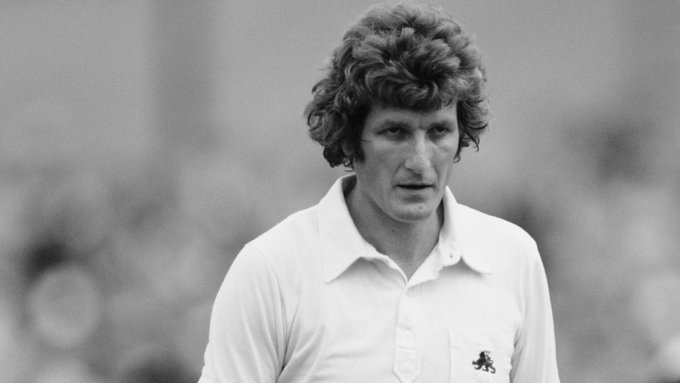
At 6ft 6ins, with his mop of curly hair and unique long, winding run up, Willis was an intimidating and unmistakable sight becoming one of English sport’s most recognisable figures in the 1970s and early 80s.
After retirement he went on to forge a successful career as a pundit for Sky Sports where he was known for his forthright opinions and fearless ability to tell painful home truths about poor England performances when he would come off his long run as if he was still bowling from the Kirkstall Lane End. He was shunted off commentary duties when his style fell out of fashion in the mid 2000s but found a new home on the Verdict, Sky’s end of play review show hosted by Charles Colville, when he would stare at the camera and deliver his opinions like a hanging judge looking down on a guilty person in the dock.
We're very sad to hear of the passing of MCC Honorary Life Member, Bob Willis.
A Lord's legend & former England captain whose name is on the Honours Boards three times.
Our thoughts are with his friends and family. DT.